



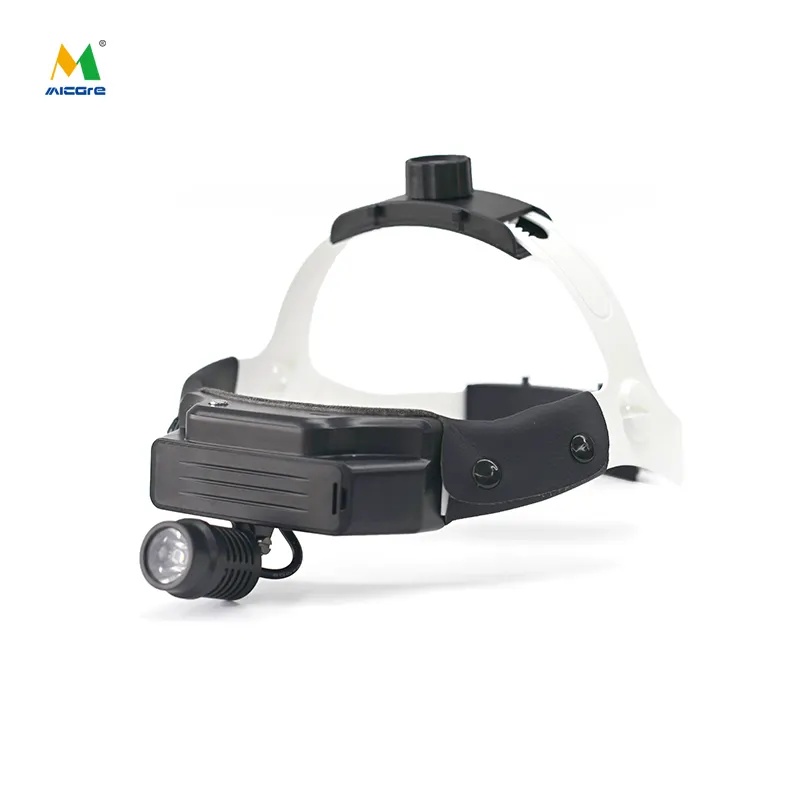
В операционните зали, където точността и издръжливостта са задължителни, надеждността на медицинската главна лампа играе ключова роля за клиническия успех. По-специално при дълги хирургични процедури, постоянното осветление не е просто удобство – то е критично изискване. За дистрибутори на медицински устройства, мениджъри по доставките в болници и производители на хирургическо оборудване (OEM), познанието какво прави системата с главна лампа надеждна в продължение на дълги периоди може да подпомогне по-разумните и намаляващи риска решения при набавяне.
Постоянен и стабилен светлинен изход
Основата на една надеждна медицинска главна лампа се крие в нейната способност да осигурява равномерно осветяване през цялата процедура. Дългите операции, особено в неврохирургията, ортопедията и сърдечносъдовата хирургия, изискват висок луминозен изход с минимални колебания. Намаляването на яркостта по средата на процедурата може да повлияе отрицателно върху хирургичната точност.
Търсете уреди, оборудвани с регулирани LED драйвери и изход с постоянен ток. Тези технологии гарантират, че медицинската система за главни фарове запазва луминозната си производителност в продължение на часове без трептене или намаляване на качеството поради загряване.
Удължен живот на батерията с прогнозируема производителност
При безжичните модели производителността на батерията директно влияе върху непрекъснатостта на операциите. Надежден уред трябва да осигурява поне 6–10 часа непрекъснато работно време при пълен заряд, както и индикатор за състоянието на батерията за предварителна подмяна.
Някои напреднали системи предлагат сменяеми батерийни блокове, които позволяват безпроблемни подмяны без изключване на уреда. Тази функция е от решаващо значение в операционни зали с голям обем работа, където често се провеждат последователни процедури.
Ергономика и дългосрочен комфорт
Хирурзите често носят главни лампи в продължение на часове. Теглото, разпределението на налягането и възможността за регулиране са фактори, които влияят на дългосрочния комфорт и умората. Медицинско устройство с високо качество обикновено тежи под 350 грама, с регулируеми главни ленти и балансирано задно монтиране на батерията, за да се намали натоварването върху врата.
Допълнителни функции за комфорт, които трябва да се търсят:
- Потоустойчива подложка за челото
- Материал на главната украса с добра отвеждане на топлината
- Неподвижни ленти, съвместими с хирургически каски и ПСО
Тези конструктивни елементи гарантират, че главната лампа остава сигурна и удобна дори по време на интензивни и продължителни процедури.
Точност и персонализация на лъча
Надеждната хирургическа главна лампа трябва да може да се адаптира към променящите се нужди по време на една и съща процедура. Регулируем размер на петното и интензивност на лъча позволяват на хирурзите да контролират фокуса, без да местят източника на светлина. При неврохирургични или ЛОР операции, при които се изисква точност на милиметър, такъв контрол е от съществено значение.
Някои модели осигуряват също коаксиално подравняване с хирургически лупи, като гарантират, че лъчът е напълно в съответствие с полето за визия на хирурга — от съществено значение за точността при микронаборни операции.
Издръжливост и съответствие с изискванията за стерилност
В изискващите условия на операционната зала медицинската главна лампа трябва да издържа както на физическо износване, така и на многократни процедури за стерилизация. Медицинското устройство за главно осветление трябва да бъде изработено от полимери или леки сплави от алуминий с медицинско качество, с пломбиране на компонентите, за да се осигури устойчивост към влага и замърсители.
Контролни елементи без докосване, като инфрачервени сензори или съвместимост с педали, могат допълнително да повишат нивото на стерилност и да подобрят ефективността на работния процес.
Заключение
Надеждната медицинска главна лампа е нещо повече от просто източник на светлина — това е прецизно устройство, което трябва да работи безупречно по време на дълги и сложни операции. От последователното осветление и дългия живот на батерията до ергономичното ношение и съвместимостта с хирургическите изисквания, всяка подробност има значение.
За лицата, вземащи решения в B2B сектора, които търсят надеждни медицински решения за главни лампи, фокусирането върху тези фактори на надеждност ще помогне за осигуряване на оптимална производителност, намаляване на рисковете по време на операцията и подобряване на резултатите за пациентите.