



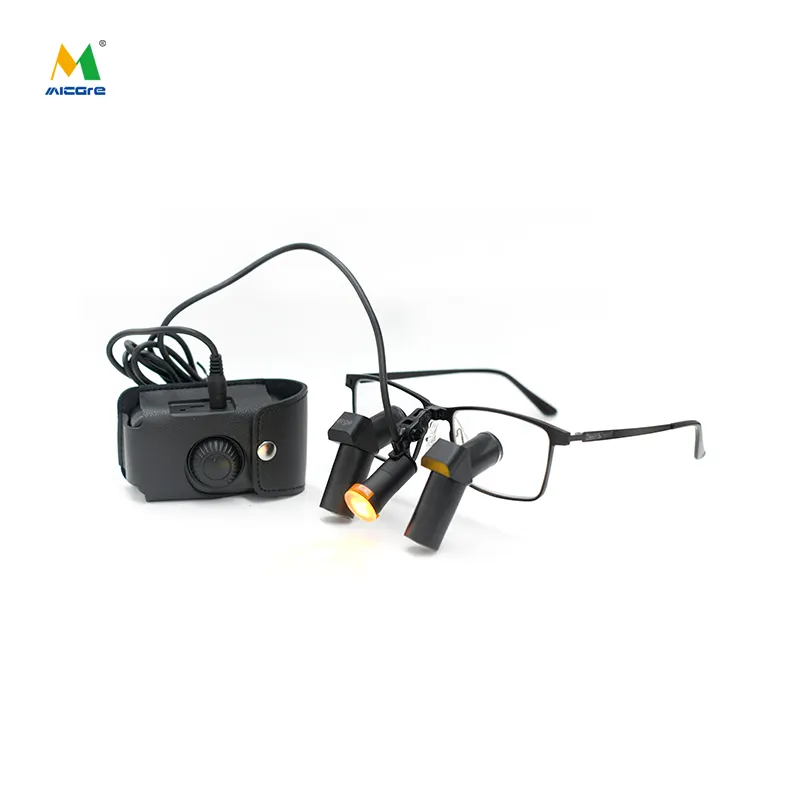
Adjustable interpupillary distance (IPD) is one irreplaceable aspect which classifies TTL (Through-The-Lens) loupes as the top-quality instrument due to its ability to seamlessly integrate and optically remarkable. The inter-pupillary distance (IPD), or spacing measured between the centers of a users pupils changes widely between individuals and match in the case of loupes is a fundamental requirement toward maintaining comfortable, clear vision during procedures. All of our TTL loupes have adjustable IPD mechanisms designed to provide a customized fit, and increase accuracy and comfort to the wearer.
Understanding Interpupillary Distance in TTL Design
TTL loupes can be tinted with the magnifying lenses set into the frame, which makes adjusting IPD a more delicate maneuver when compared to flip-up ones. Our TTL designs also have a calibrated adjustment system unlike generic frames which are based on the premise that pupil distance is one-size-fits-all. This will enable the correct alignment of the lenses to the pupils of the user such that the magnified field of view will be in the middle and without distortion.
The Mechanics of Adjustment
Its adjustable IPD in TTL loups are by means of a frame-hinge or slide assembly, which is precisely designed. Each lens housing works independently, remaining parallel to the eyes of the user as the lenses slide apart adjusting the distance in between. It is an intuitive process whereby a clinician measures his or her own IPD (typically using a ruler or similar instrument) and then adjusts the loupes so the magnified image is in proper focus and centered and there is no image doubling or the edges of the tools are not distorted.
Why Precise IPD Matters for Clinical Work
Proper IPD alignment in TTL loupes has a direct correlation to how the eye will see and how much the eye will strain. Failure to align the lenses with the pupils of the user encourages the brain to strain to combine the images perceived by the left and right eyes causing fatigue, headaches, or blurred vision especially when the procedure takes a long time as is the case with neurosurgery or dental restoration. Our variable IPD guarantees a most efficient entry of the light through the loupes into both of our eyes and maximum field of view depends on the probability of distortion-free quality of A + class of optical glass lenses. Isolation of this accuracy is needed especially when it comes to a task that involves depth perception like suturing or tissue dissection.
Compatibility with Personalized Fit
The adjustable IPD adds to the character of TTL loupes that are custom-made. Although the TTL frames are sometimes custom made according to the contours of the face of the user, the IPD adjustment gives it an increased degree. An example, our light-weight titanium-frame TTL models incorporate adjustable IPD coupled with ergonomic nose pads making a full fit that recognizes the individual variation in facial anatomy. Such synergy makes the loupes comfortable to put on, even when worn longer, and clinicians can concentrate all their attention on the process.
Essentially, the feature TTL loupe interpupillary becomes adjustable, and it turns the instrument of high quality into customized. By customizing optical performance to the individual anatomy of the user, the magnification is not only enhanced-it is comfortable and accurate.