



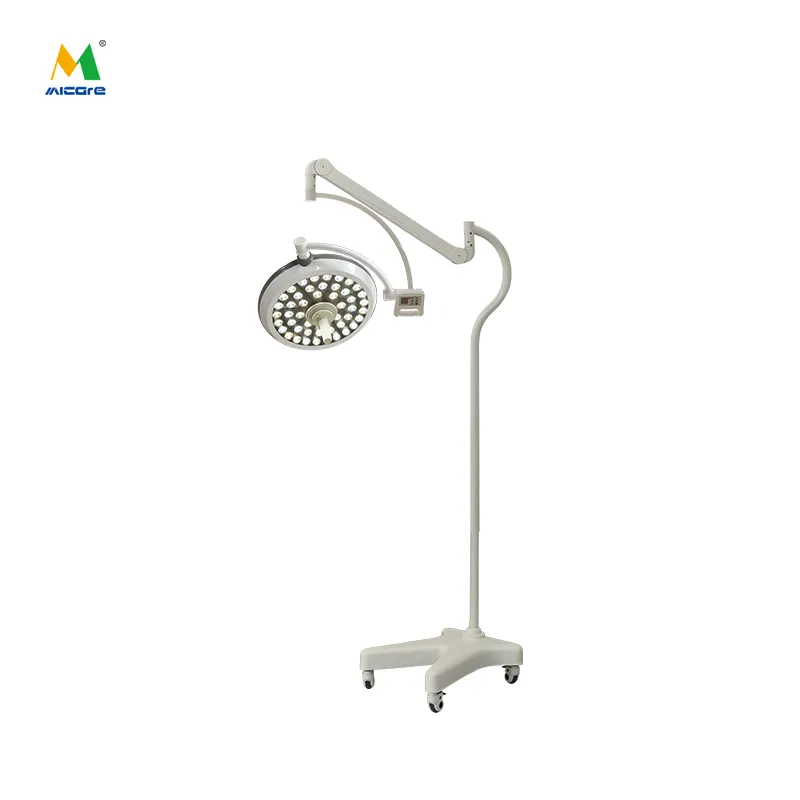
Surgical overhead lights in contemporary operating rooms should have the best lighting conditions and should have minimal macular discomfort. The development of anti-glare technology is one of the most important developments that contributes to increased precision of surgical tools and makes the experience less straining to the eyes of medical personnel executing long medical procedures.
Enhanced Visual Clarity
Cutting-edge antiglare technologies have special optical filters and diffusers that cut down on hard reflections of surgical equipment ad surfaces that have become wet. The technology maintains accurate tissue color appearance as well as avoiding the phenomenon of the illuminating effect some surgical lights deem the effect of a white-out situation. The effect is an enhanced depth of field and an enhanced differentiation of anatomical structures.
Reduced Surgeon Fatigue
High levels of surgical lighting may lead to serious eye strains when exposures are too long. Anti glare technology also applies the element of polarized light and matte-finish reflectors to diffuse the light without a decrease in the intensity of illumination. This enables the surgeons to stay focused on the procedure that is complex and longer in hours to minimize the possibility of errors caused by visual fatigue.
Improved Shadow Control
Contemporary anti-glare systems are made to cooperate with multi-point LED arrays to get even lighting. These systems project light by scattering it at specific angles, so they reduce the harsh shadows that usually come about when the surgical providers or equipment casts shadows on the source of light. This guarantees same quality observation of surgical field at various viewing angles.
Sterile Field Maintenance
Anti-reflective coatings in the best surgical light coatings are resistant to strong disinfectants found in operating rooms. In contrast to the normal commercial finishes which wear out with time, such specialized coating has the characteristic of permanently preserving its glare elimination qualities all through the product lifetime as well as keeping up in major cleaning procedures.
Adaptive Lighting Performance
Smart anti-glare systems are programmable to self adjust to light conditions in the surrounding environment and the angle of light. Such dynamic adaptation will provide the best visibility when the light is directly overhead or at oblique angles in the case of some minimally invasive procedures. The technology is independent of different surgical specialties and operating room structures and designs.
Such systems help increase the accuracy of procedures, staff comfort and eventually, patient outcomes. Anti-glare lighting solutions will continue to play a vital role in keeping up with the higher standards of a surgical theatre as surgical methods stay at a continuously progressive pace.