



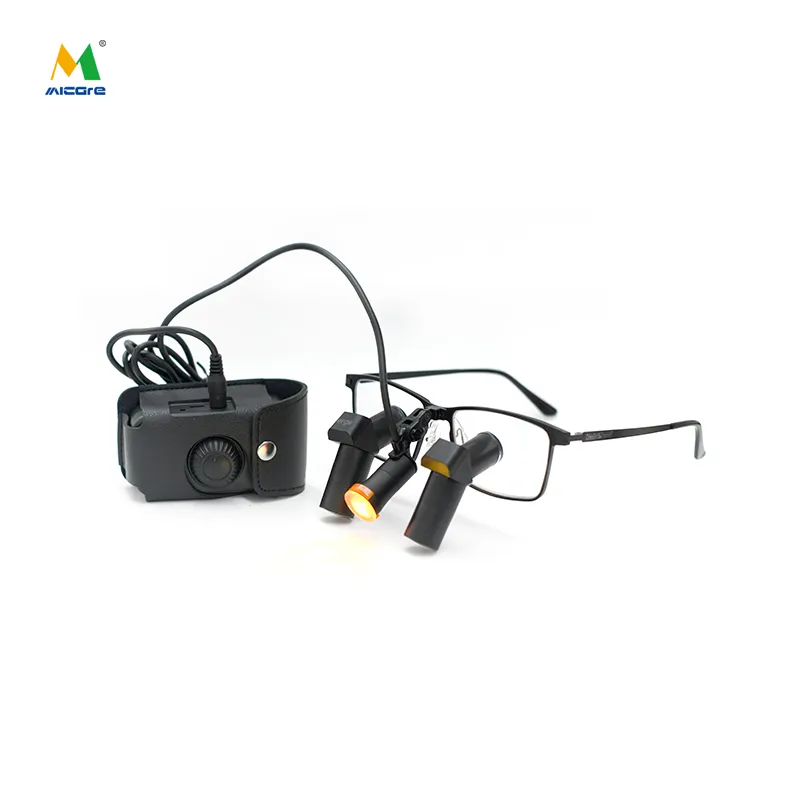
Visual examination is crucial when performing an accurate assessment of patients and light quality is a crucial element in clinical spaces. High color rendering in medical lights will enable the medical providers to identify minute changes to the body so that they do not miss them.
Accurate Tissue Differentiation
Natural-looking illumination with a high Color Rendering Index (CRI >90) allows clinicians to properly distinguish between healthy and affected tissues. In wound care, for instance, proper color representation helps identify infection signs (redness), necrosis (color changes), and healing progress (granulation tissue color). Surgical lights with optimized spectral distribution reveal true tissue colors rather than distorting them under artificial light.
Enhanced Diagnostic Confidence
Such natural and not artificial realistic light of a high Color Rendering Index (CRI >90) enables clinicians to correctly recognize healthy and affected tissues. An example of presentation of color information correctly used in wound care would be the presence of signs of infection (redness), necrosis (changes of color), and color which indicates healing (granulation tissue). Optimized spectral distribution surgical lights and surgical light fixtures allow the natural colors of tissues to be seen, not distorted like in an artificial light environment.
Reduced Eye Strain
Inadequate color rendering results in mental compensation of lighting shortages on the part of medical staff leading into visual fatigue resulting due to long examinations. Balanced spectrum lighting removes the color fidelity but still gives good viewing conditions, which is essential to some detailed operations that need prolonged attention.
Consistent Documentation
Photographic documentation of patient conditions requires lighting that matches natural daylight (5000K-6500K). This ensures images accurately represent findings for medical records or specialist consultations. Inconsistent lighting can lead to misinterpretation of serial photos tracking treatment progress.
Specialized Assessment Needs
Newborn jaundice assessment requires accurate blue wavelengths of lights
Screening of oral cancer through oral cavity light spectrum application excels in narrowing specific spectra emphasis
Vascular tests need to correlate to the reproduction of red tone accurately
Investment in medical lighting that has robust color rendering abilities can enable health care facilities to equip their professionals to be able to draw competent judgments and more knowledgeable clinical deductions. These efforts in relation to quality of light finally leads to better patient outcome in terms of earlier-stage detection and more accurate tracking of health conditions.