



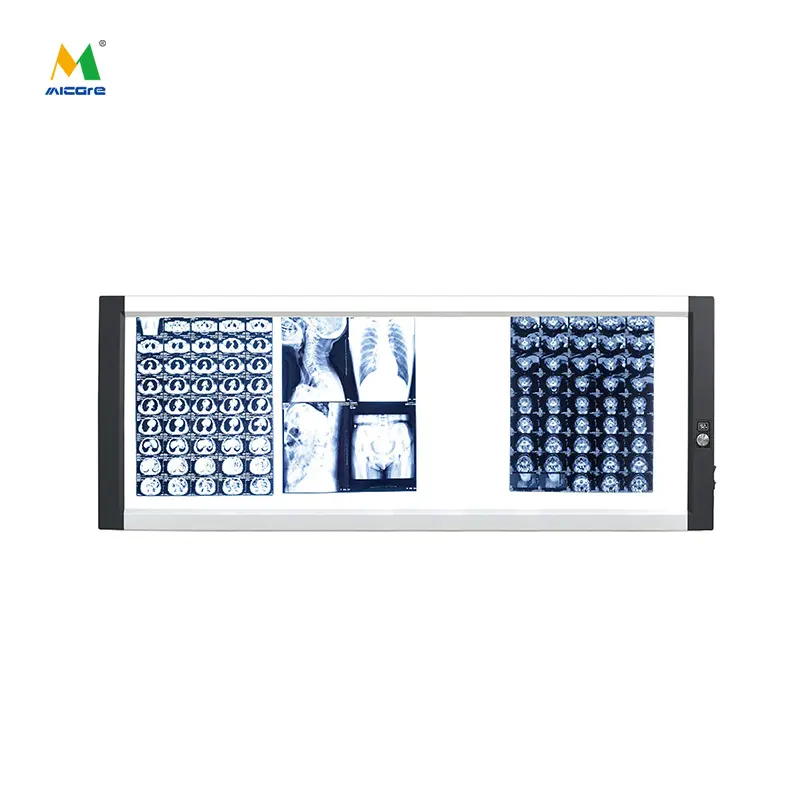
Конкретније у медицинској дијагностици, где постоји тенденција да се рентгенски зраци све више удаљавају према компактним перформансима: дигитални рентгенски екрани су у срцу исправне интерпретације, указују на клиничарске сломљене кости, инфекције или унутрашње абнорма Једноставност од ивице до ивице један је од најкритичнијих фактора који чине рентгенски дисплей поузданим; међутим, произвођачи не говоре добро о њима.
Једноставност од ивице до ивице је провалита природа да се цела површина дисплеја конзистентно осветљава, без слабење, горећих тачака или углова. Такава конзистентност није готово само естетске природе, али има директен утицај на тачност дијагнозе. Претпоставимо да је рентгенско снимање сломљеног ребра приказано тако да би било добро осветљено у средишњем делу и тамно на ивицама: мала пукотина на ивици кости може једноставно бити занемарена што доводи до нетачне дијагнозе или одлагања у лечењу. Пошто клиницисти могу да своје критичне одлуке засновају на сваком детаљу слике, хомогенност осветљености значи да један део слике неће бити у неповољној ситуацији.
Поред тачности, униформизам смањује исцрпљење клиникара. Пошто око има оштре и слабе области приказивања, оно стално прилагођава несагласности, чиме се временом износи фокус ока. Ово је посебно важно у дуготрајним дијагностичким процедурама где би пажња на детаље требало да има врховни приоритет. Екран који има глатки континуитет омогућава клиницистама да се фокусирају на задатак без бриге о прекомерној употреби визуелног стреса, повећавајући ефикасност и квалитет неге.
На основу овог принципа дизајнирани су наши медицински рентгенски филмови. Дизајнирани су са савременим танким профилима и имају независне и аутоматске панеле који производе јасно, дифузно светло - гарантујући равномерност од ивице до ивице преко укупне равне визуелне плоскости. Ово такође омогућава променљивом интензитету да га допуни, јер клиницисти могу да мењају сјај како би одговарали одређеним рентгенским зрацима и одржавали конзистенцију, било да процењују рентгенско снимање груди или стоматолошко скенирање.
Наша одговорност према овој најважнијој особини доказана је поштовањем строгих стандарда као што су ЕУ-МДР и ЦЕ. Ови сертификати доказују да наши екрани испуњавају веома строге стандарде перформанси и поузданости и да је униформизација од краја до краја не само обећање, већ и константа.
Једноставност од ивице до ивице, једноставно речено, је поверење у дигиталне рентгенске екране: поверење да је сваки пиксел, свака ивица и сваки детаљ демонстриран како треба да буде. За клиницисте то значи да имају поверење у своје дијагнозе. За пацијенте то значи да неће бити занемарено никакво важно информације. Једноставност није аспект света медицинског снимања, већ основа квалитетне неге.