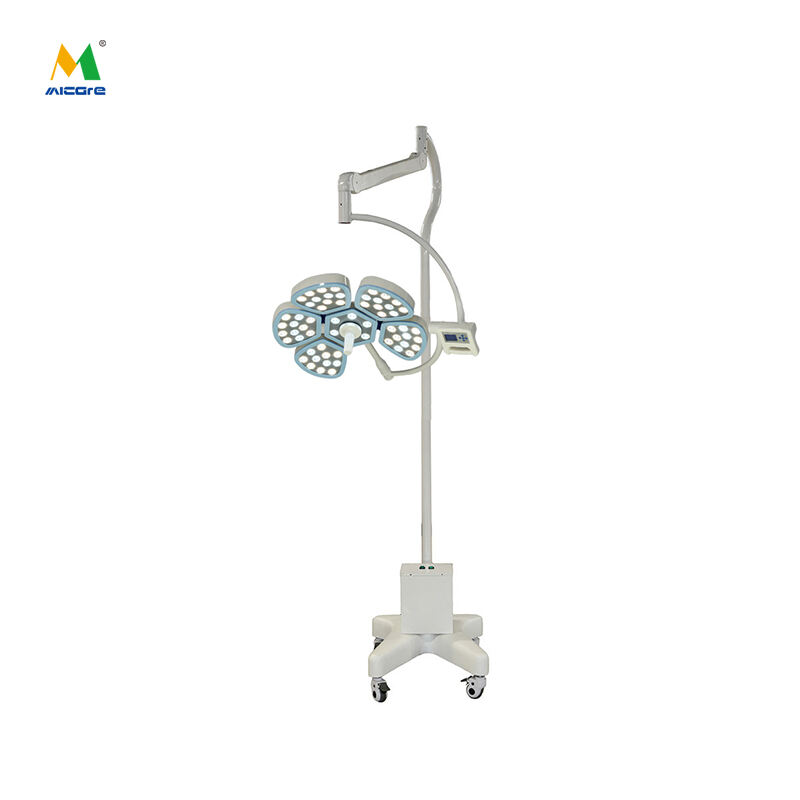
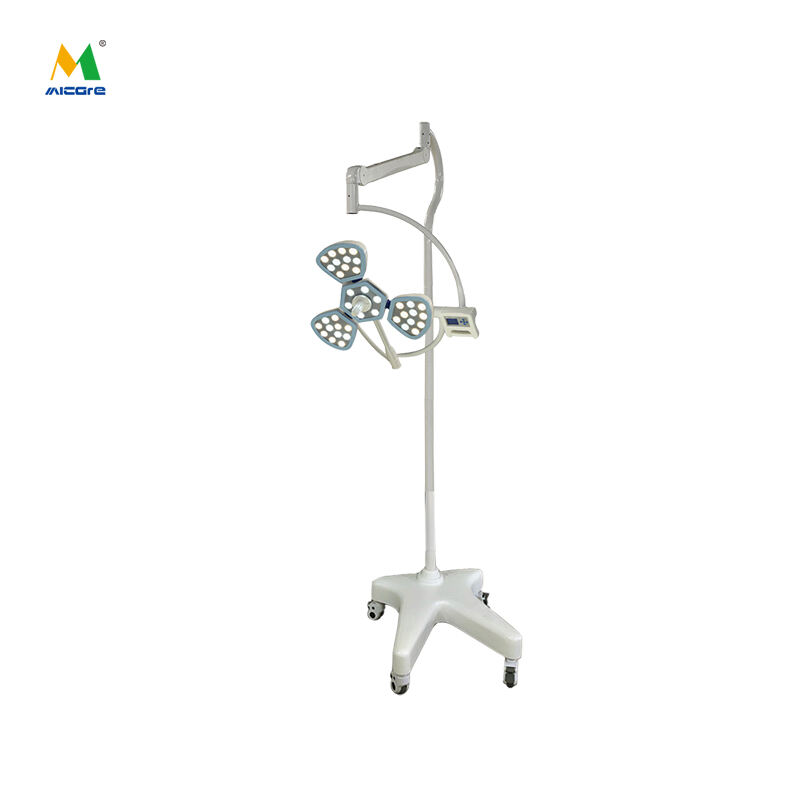
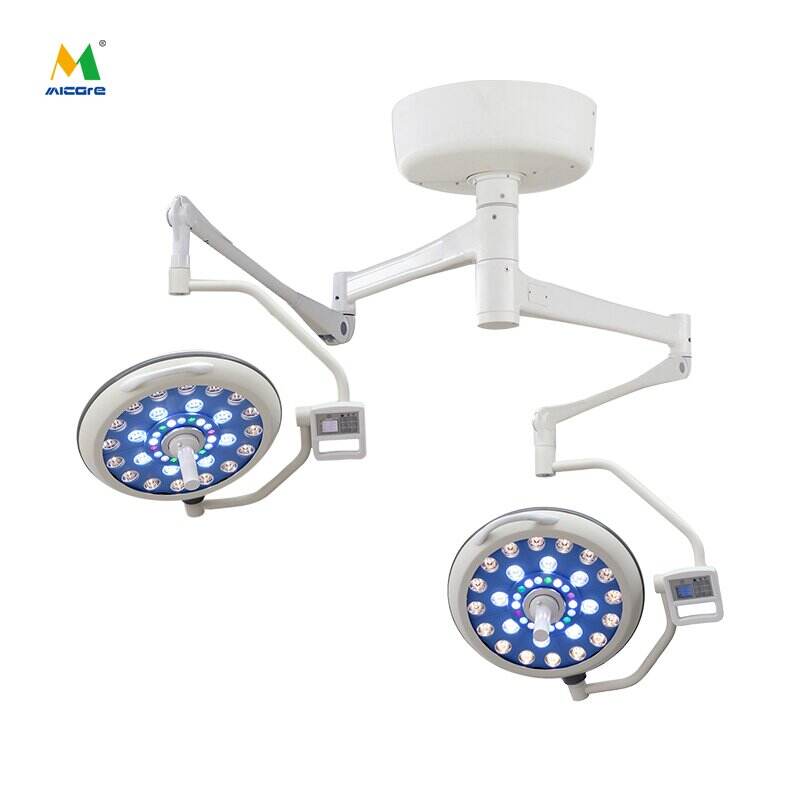
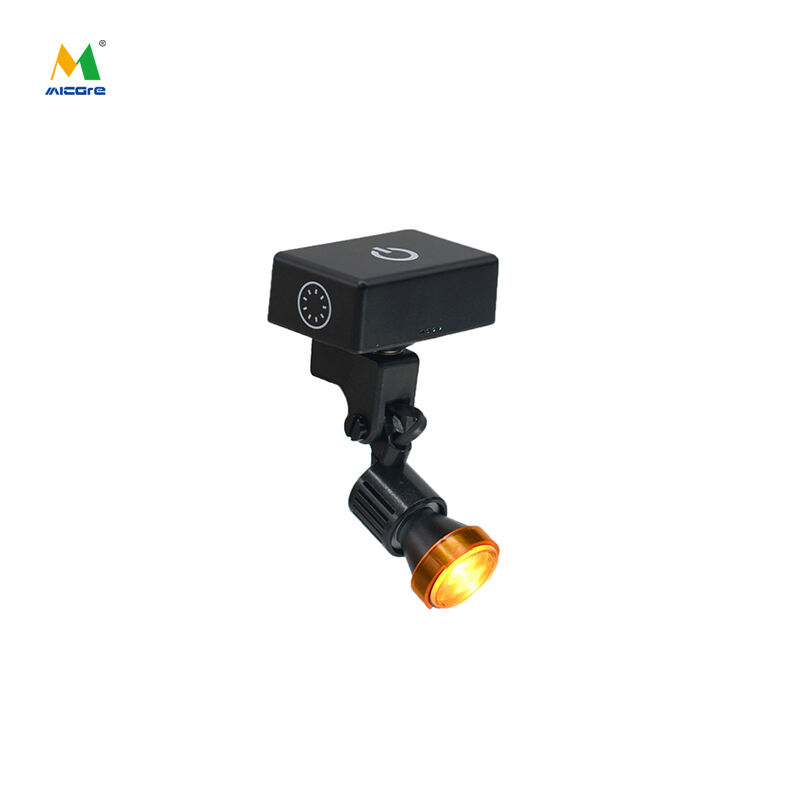
Operationsskjutare har traditionally varit ett viktigt verktyg i operatörsrum, som tillhandahåller den nödvändiga ljusstyrkan för att utföra högkvalitativa uppgifter under optimala villkor, vilket låter kirurger arbeta med precision. Dessa skjutare har sedan utvecklats över tid, från stationära installationer till mobila enheter som föränder hälso- och sjukvårdsinställningar när det gäller genomförande av utrustning som aldrig tidigare har varit så versatil eller effektiv. Utöver att visa en växande behov av anpassningsbarhet i operativa miljöer, understryker denna förändring betydelsen av att kombinera speländrande kirurgiska koncept med patientomsorg. Välj Din Stjärna Mest Klickad - Enligt rapporten är detta ämne det som ni alla har klickat på som galna. Första Intrycket: Vi ska utforska djupare in i moderna designtrender och innovationer som härrör från mobiliteten hos mobila operationslampor - från framtida riktlinjer för portabla designer, deras förmåga att förbättra prestationer för era operationstillämpningar, till förbättringar som sparar utrymme och excellerar i effektiv hospitalrealisationsallokering. De senaste staten-av-konsten funktionerna som gör dessa (mobila) operationslampor unika... nu.
Tillväxten av operativ lampljus mobilitet kommer att följa de större trenderna inom smart teknik och IoT. Bilder som skrivs ut på belysningslampor som dansar runt i en operationsrum (OR), med programvara som samtidigt integreras med kirurgisk planering. Båda har möjligheten att ändra ljusintensitet och riktning enligt programmerade kirurgiska steg, vilket förbättrar effektiviteten i operationer som helhet. Genom att lägga till AI-funktioner till dessa lampor kan de lära sig av tidigare operationer så att tidigare kirurgiska inställningar dynamiskt kan justera ljusbetingelserna på sätt som är optimala för att minska glans och skugga utan manuell inmatning. Dessutom gör inkluderandet av IoT-teknik att det går att övervaka lampljusets prestanda på avstånd, schemalägga underhåll och minska driftstopp.
Införandet av portabla ledande lampor. Portabla operativa lampor representerar ett stort steg framåt i det nödvändiga kravet på kirurgisk anpassningsförmåga. Genom att använda omopladdbara batterier och vara utformade för portabilitet är de inte längre fästa vid fasta strömquällor - nödkirurgrum kan till och med sättas upp vid katastrofer som krig eller jordbävningar (utan elektriska nät) med mycket färre kablar jämfört med traditionella LED-lampor. Denna portabilitet ger kirurgiska team möjlighet att handla snabbt och effektivt, och ta med avancerade kirurgiska förmågor direkt dit de behövs mest. I traditionella operationsrum används dessa lampor ofta ompositioneras under komplicerade operationer för att ge tillräcklig belysning utan att förstöra bildutrustning eller hindra rörelsefriheten för operationsteamets personal.
Den konsekventa högkvalitativa illumination som tillhandahålls av mobila operationslampa förstärker i stort sett kirurgiska resultat. Den ger en mer jämn ljuddistribution och minskad glans så att kirurger kan se bättre för att visualisera anatomi och utföra känsliga procedurer med större noggrannhet. Denna minskning av ögonansträngning överförs också till bättre fokus och färre fel för kirurgen under operationen, vilket kan resultera i kortare procedurtider. Dessutom möjliggör förmågan att justera ljus temperatur och intensitet att kirurger kan anpassa ljusmiljön för att möta varje enskild procedures specialiteter ännu bättre - vilket betyder förbättrad synlighet och patient säkerhet.
Det som är säkert, dock, är att mobil operativa lysrutor troligen är mycket billigare än att installera komplexa takmonterade modeller i dagens utrymmesbegränsade vårdmiljö och därmed erbjuder en praktisk metod för att maximera effektiviteten i operationsrum. När de jämförs med takmonterade ljus som behöver installationspunkter och kan begränsa hur du omorganiserar positionen av rummet, så är flyttbara lampanordningar enkelt att flytta eller ställa undan när de inte används, utan att uppta någon värdefull golvyta. Dessa egenskaper är mycket användbara i flervarnings OR:er där flera operationer med olika uppställningskrav äger rum. Dessutom passar deras kompakta storlek perfekt i mindre kirurgrum där antalet genomförda procedurer konkurrerar utan att kompromissa på ljuskvalitet.
Nanchang MICARE Medical Equipment Co, Ltd har tillverkat mobilbelysning för operationsrum i mer än 20 år. Företaget har ett professionellt utvecklingsteam (R&D-team) samt ett kvalitetskontrollteam. MICARE har sju produktlinjer med över 50 modeller, samt över 400 olika typer av reservdelar för glödlampor som uppfyller kundernas behov i alla avseenden.
MICAREs obesvärade sökande efter nya tekniker har tjänat flera kvalitetscertifieringar inklusive ISO-9001/13485 samt Europeisk CE och FDA från USA. Det uppfyller också IEC-säkerhetsnormerna. MICARE har ett perfekt kvalitetsoperativt lampemobilsystem som är i enlighet med CE- och ISO-normerna. Det har också blivit benämnd som ett högteknologiföretag inom Jiangxi-provinsen.
Nanchang MICARE Medical Equipment Co, Ltd är en tillverkare som under de senaste 20 åren fokuserat på medicinskt utrustning, med ett skickligt utvecklingsteam (R&D-team) och ett kvalitetskontrollteam. MICARE har sju produktlinjer med över 50 modeller samt över 400 varianter av reservdelar för glödlampor som uppfyller kraven på mobilbelysning för operationsrum i alla avseenden.
MICARE tillhandahåller tjänster till mer än 20 000 kunder över hela världen och distribuerar operationslampor till över 100 länder. De viktigaste länderna inkluderar USA, Mexiko, Italien, Kanada, Turkiet, Tyskland, Spanien, Saudiarabien, Malaysia och Thailand. Företaget har långsiktiga och stabila partnerskap med olika logistik- och expressföretag, vilket garanterar snabb och punktlig service.
Bland de moderna mobila operativa lampan kompletteras med många framträdande egenskaper. För det första erbjuder de en ergonomisk design med intuitiva kontroller som gör det enkelt för kirurgen att ställa in belysningen hur och var du behöver den. För det andra ger närvaron av LED-teknik energisparande och hållbarhet, medan WarmLED färgkurior är skapade för att uppfylla följsamhetsstandarder, vilket gör dem praktiska för ökade driftskostnader och patientbekvämlighet. Våra lamper har också adaptiv belysningsteknik som anpassar sig till förändringar i omgivningsbelysningen, vilket ger den bästa möjliga illuminationen under procedurer. De är också tillverkade av antimikrobiella material -- för att hjälpa till med hygien och smittkontroll i operationsrummet. Slutligen, i harmoni med planets välbefinnande, är våra lamper gjorda av återvinbara material och energisystem för att stödja gröna sjukhusinitiativ.
Sammanfattningsvis representerar införandet av mobila operativa lamper en omvälvning i designen av operativt ljus, vilket har bidragit till att modernisera hur operationer utförs och säkerställt förbättrade patientutfall. Med ingen kompromiss på flexibilitet, förbättrad kirurgisk noggrannhet, effektiv utnyttjande av utrymme och integrering av senaste teknologier kommer dessa lampor att stå i främsta linjen när det gäller att formaa hur kirurger kompletteras av framtidens vård. Slutligen kommer vi att se fler lyckade operationer när kirurgen når ännu en nivå av mobil operativ lampa - en som är ännu smartare och mer avancerad!