



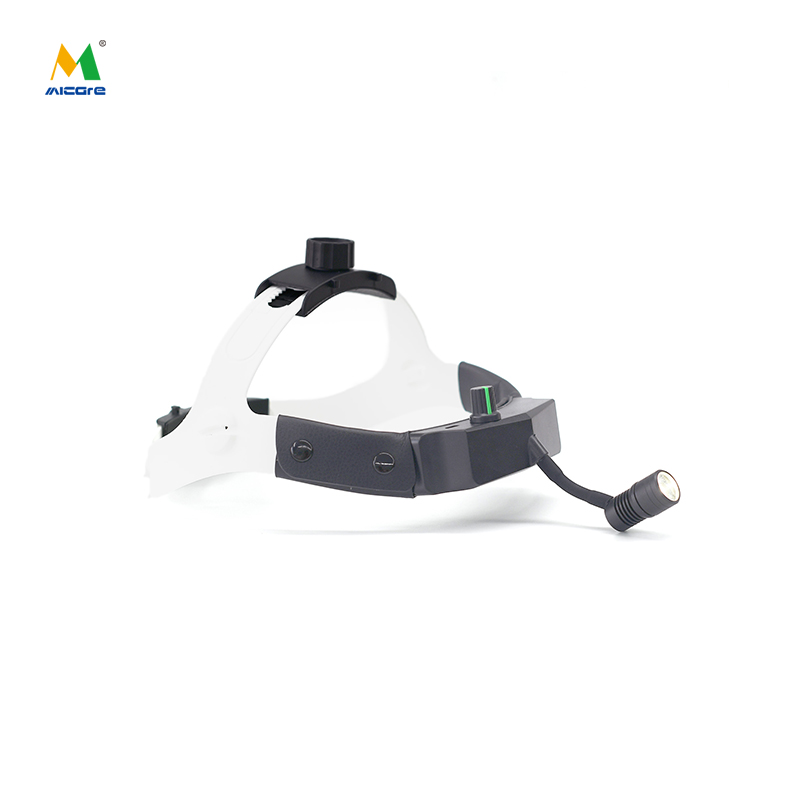
มาตรฐานใหม่ของการให้แสงสำหรับการผ่าตัด
อุปกรณ์ทางการแพทย์แบบโคมไฟหัวรุ่นใหม่ได้ปฏิวัติการมองเห็นระหว่างการผ่าตัดผ่านเทคโนโลยี LED ที่ทันสมัยที่สุด ซึ่งเครื่องมือให้แสงที่แม่นยำเหล่านี้สามารถให้คุณภาพของแสงที่เหนือชั้นอย่างไม่เคยมีมาก่อน จึงมอบข้อได้เปรียบสำคัญแก่ศัลยแพทย์ทั้งในขั้นตอนทั่วไปและขั้นตอนที่ซับซ้อนยิ่งขึ้น ต่างจากโซลูชันการให้แสงแบบดั้งเดิม อุปกรณ์โคมไฟหัวทางการแพทย์แบบ LED รุ่นปัจจุบันให้:
- อุณหภูมิสีที่สม่ำเสมออยู่ที่ 4500K–6500K เพื่อการแยกแยะเนื้อเยื่อได้อย่างเหมาะสมที่สุด
- แสงที่ไม่มีเงาพร้อมความเข้มที่ปรับได้ (30,000–150,000 ลักซ์)
- การเรนเดอร์สีที่แท้จริง (CRI >90) เพื่อการประเมินภาพที่แม่นยำ
- เส้นผ่านศูนย์กลางลำแสงที่ปรับโฟกัสได้ (40–150 มม.) เพื่อการให้แสงเฉพาะตามประเภทของขั้นตอน
ข้อได้เปรียบเชิงเทคนิคของโคมไฟหัวแบบ LED สำหรับการผ่าตัด
การเปลี่ยนผ่านสู่เทคโนโลยี LED ในการใช้งานอุปกรณ์โคมไฟหัวทางการแพทย์นั้นไม่ใช่เพียงแค่การปรับปรุงประสิทธิภาพการใช้พลังงานเท่านั้น แต่ระบบขั้นสูงเหล่านี้ยังสามารถแก้ไขปัญหาต่าง ๆ ที่เกิดขึ้นระหว่างการผ่าตัดได้หลายประการ:
การจัดการความร้อน
การออกแบบรุ่นใหม่รวมเอา:
- ฮีตซิงค์ที่ออกแบบและผลิตด้วยความแม่นยำสูง
- การควบคุมความร้อนอัจฉริยะ
- อุณหภูมิผิวต่ำ (<41°C ที่ระยะ 20 ซม.)
สิ่งนี้ช่วยป้องกันความไม่สบายขณะใช้งานเป็นเวลานาน และรักษาสภาพแวดล้อมในการผ่าตัดที่บอบบาง
ความแม่นยำทางแสง
ระบบออปติกขั้นสูงมีคุณสมบัติดังนี้:
- เลนส์แบบหลายองค์ประกอบเพื่อการกระจายแสงอย่างสม่ำเสมอ
- ขนาดจุดโฟกัสปรับได้โดยรักษาความคมชัดของขอบไว้
- การทำงานปราศจากแฟลช (flicker-free) เพื่อความสบายในการมองเห็น
ความแม่นยำระดับนี้มีคุณค่าอย่างยิ่งในการผ่าตัดแบบไมโครและขั้นตอนที่ละเอียดอ่อน
การออกแบบตามหลักสรีรศาสตร์
รุ่นชั้นนำให้ความสำคัญกับ:
- การกระจายน้ำหนักอย่างสมดุล (180–300 กรัม)
- สายรัดศีรษะแบบปรับระดับได้ที่ทำจากวัสดุที่ช่วยดูดซับความชื้น
- ตัวเลือกการติดตั้งหลายแบบ (สายรัดศีรษะ คลิปยึด หรือระบบติดตั้งบนหมวกกันน็อก)
คุณสมบัติเหล่านี้ช่วยลดความล้าระหว่างการผ่าตัดที่ใช้เวลานาน
การประยุกต์ใช้งานทางคลินิกและประโยชน์
ระบบไฟส่องศีรษะแบบ LED สำหรับการแพทย์ช่วยเพิ่มความสามารถในการมองเห็นในหลากหลายสาขาเฉพาะทาง:
ขั้นตอนทางผิวหนัง
- ให้แสงสว่างที่เหมาะสมอย่างยิ่งสำหรับการผ่าตัดตัดออกอย่างแม่นยำ
- ช่วยให้ประเมินขอบเขตของรอยโรคได้อย่างถูกต้อง
- ลดความเมื่อยล้าของดวงตาในระหว่างขั้นตอนความงามที่ใช้เวลานาน
การผ่าตัดหู คอ จมูก
- ให้แสงสว่างที่ลึกถึงโพรงภายใน
- ช่วยให้สามารถจัดตำแหน่งได้โดยไม่ต้องใช้มือ
- ปรับปรุงการมองเห็นในพื้นที่กายวิภาคที่แคบ
แพทยศาสตร์ฉุกเฉิน
- ให้แสงสว่างที่มีคุณภาพสูงทันที
- ช่วยให้ประเมินสถานการณ์ได้อย่างรวดเร็วในกรณีฉุกเฉินจากบาดแผล
- ให้แสงสว่างที่เชื่อถือได้ในสภาพแวดล้อมที่เปลี่ยนแปลงได้
ข้อพิจารณาในการนำระบบไฟฉายสำหรับศีรษะแบบ LED ทางการแพทย์ไปใช้งาน
เมื่อนำระบบไฟฉายสำหรับศีรษะแบบ LED ทางการแพทย์มาใช้งาน ผู้บริหารด้านสาธารณสุขควรพิจารณา:
ข้อมูลจำเพาะทางเทคนิค
- ความต้องการด้านฟลักซ์แสงและความเข้มของแสง
- ระยะเวลาใช้งานของแบตเตอรี่และตัวเลือกการชาร์จ
- ความเข้ากันได้กับอุปกรณ์ผ่าตัดที่มีอยู่
กระบวนการทำงานทางคลินิก
- ความสะดวกในการฆ่าเชื้อและบำรุงรักษา
- ข้อกำหนดการฝึกอบรมเจ้าหน้าที่
- ความต้องการในการปรับแต่งเฉพาะตามขั้นตอนการผ่าตัด
ปัจจัยด้านการเงิน
- ต้นทุนรวมของการเป็นเจ้าของ
- การรับประกันและบริการ
- ศักยภาพในการลดต้นทุนค่าใช้จ่ายด้านระบบแสงสว่างทั่วไป
โคมไฟส่องศีรษะแบบ LED รุ่นล่าสุดสำหรับการใช้งานทางการแพทย์ ถือเป็นความก้าวหน้าอย่างมีน้ำหนักในเทคโนโลยีการให้แสงสำหรับห้องผ่าตัด โดยระบบเหล่านี้มอบความสามารถในการมองเห็นที่เหนือกว่า ความสบายในการใช้งานที่เพิ่มขึ้น และประสิทธิภาพการทำงานที่เชื่อถือได้ ทำให้กลายเป็นเครื่องมือที่ขาดไม่ได้ในกระบวนการผ่าตัดสมัยใหม่ ความสามารถของอุปกรณ์เหล่านี้ในการยกระดับความแม่นยำของการดำเนินการผ่าตัด พร้อมทั้งลดความเมื่อยล้าของดวงตา จึงมีคุณค่าอย่างยิ่งต่อศัลยแพทย์ที่ปฏิบัติการผ่าตัดที่ละเอียดอ่อนหรือใช้เวลานาน
สำหรับสถานพยาบาลที่กำลังพิจารณาอัปเกรดศักยภาพด้านการให้แสงในการผ่าตัด โคมไฟส่องศีรษะแบบ LED นำเสนอประโยชน์ทางคลินิกที่โดดเด่นควบคู่ไปกับประสิทธิภาพในการดำเนินงานที่สูงยิ่งขึ้น เมื่อเทคโนโลยีนี้พัฒนาต่อเนื่องไป เราสามารถคาดหวังฟีเจอร์ที่ซับซ้อนและล้ำสมัยยิ่งขึ้น ซึ่งจะช่วยเพิ่มประสิทธิภาพการมองเห็นระหว่างผ่าตัดและผลลัพธ์โดยรวมให้ดียิ่งขึ้น