



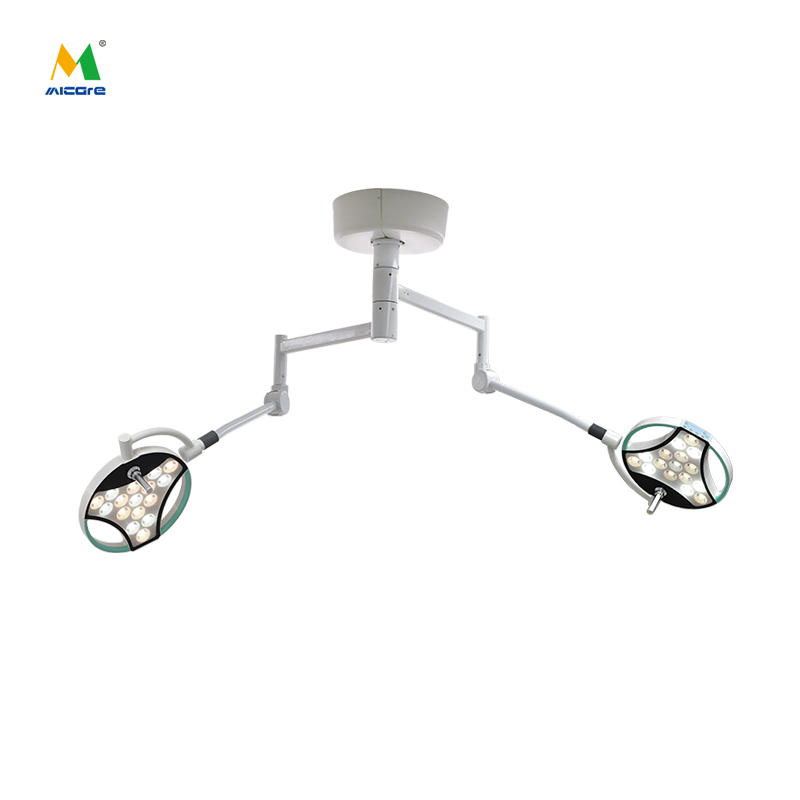
Introduction
In specialized medical environments like ENT (Ear, Nose, and Throat) and dermatology units, minor surgery light systems play a critical role in ensuring procedural accuracy and patient safety. These high-performance lighting solutions provide targeted illumination for delicate examinations and minor surgical interventions. This article examines the key features and benefits of procedure-specific lighting systems designed for these clinical specialties.
The Importance of Specialized Lighting in Minor Procedures
Enhanced Visualization
ENT and dermatology procedures require exceptional clarity for examining small anatomical structures
Minor surgery light systems offer shadow-free illumination with adjustable intensity (typically 50,000-160,000 lux)
Ergonomic Advantages
Rotatable LED heads (typically 360° horizontal and 180° vertical rotation) allow optimal positioning
Lightweight designs (often <2kg) reduce clinician fatigue during prolonged procedures
Clinical Efficiency
Instant-on LED technology eliminates warm-up time
Color temperature options (4000K-6500K) enhance tissue differentiation
Key Features of Modern Minor Procedure Lights
1. Advanced Optical Systems
Multi-lens reflectors create homogeneous light fields
Adjustable spot diameters (50mm-150mm) for different procedural needs
2. Thermal Management
Low-heat LED designs maintain safe tissue temperatures
Typically <41°C at 30cm distance (IEC 60601-2-41 compliant)
3. Infection Control
Seamless housings with IP54-rated protection
Cleanable surfaces resistant to medical disinfectants
Applications in Clinical Practice
ENT Procedures
Tonsillectomies
Nasal polyp removals
Myringotomies
Dermatological Interventions
Mole excisions
Skin biopsies
Cryotherapy treatments
Technical Considerations for Selection
When choosing minor surgery light systems for your practice, evaluate:
Illumination Performance
Luminous flux (≥40,000 lm)
Color rendering index (CRI >90)
Mounting Options
Ceiling-mounted vs. mobile floor stands
Articulating arms with memory positioning
Regulatory Compliance
FDA Class II medical device certification
IEC 60601-1 safety standards
Conclusion
Modern minor surgery light systems for ENT and dermatology units combine advanced optical engineering with clinician-focused design to support precise diagnostic and therapeutic interventions. By investing in procedure-specific lighting solutions, healthcare facilities can enhance both clinical outcomes and operational efficiency.
For practices seeking to upgrade their illumination systems, our range of medical-grade LED lights offers customizable solutions meeting the exacting demands of specialized minor procedures.