



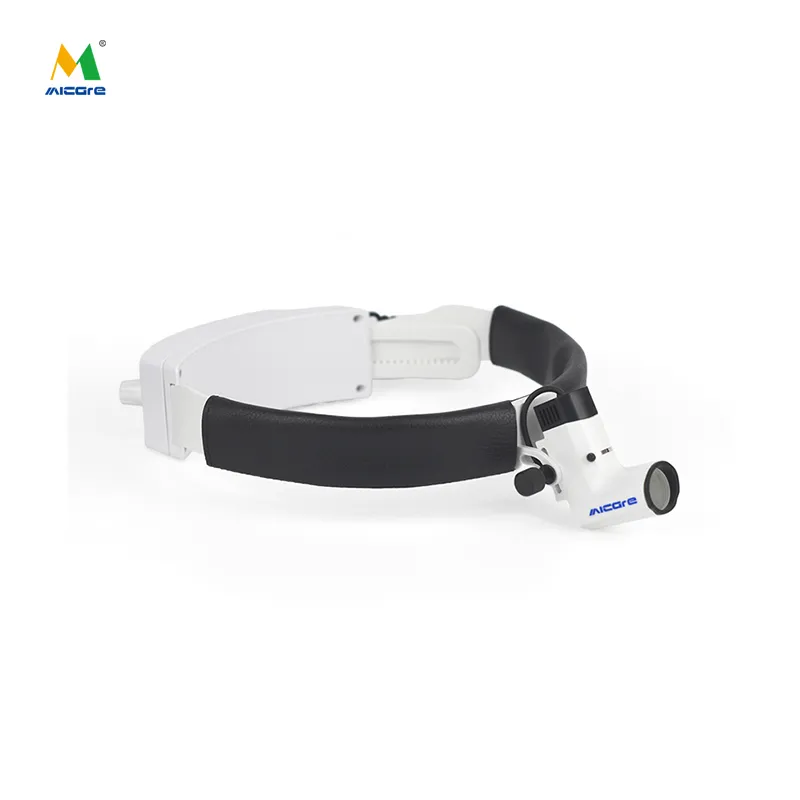
The introduction of wireless head lamp medical technology has transformed illumination standards in modern sterile surgical settings. These cord-free lighting solutions are becoming indispensable tools in operating rooms, particularly for minor surgery light applications where precision and mobility are paramount.
Unconstrained Surgical Precision
Traditional wired surgical headlamps often restricted physician movement and created unnecessary clutter in the operating field. Wireless head lamp medical devices eliminate these limitations by:
Providing 360° freedom of movement without cable drag
Delivering consistent illumination (typically 30,000-50,000 lux)
Maintaining optimal color temperature (4500K-6500K) for tissue differentiation
Offering adjustable beam focus (50-120mm diameter)
This enhanced mobility proves particularly valuable in delicate procedures requiring frequent position changes, such as dermatological excisions or ENT interventions.
Advanced Sterility Assurance
Modern wireless head lamp medical solutions address critical infection control requirements through:
Seamless, medical-grade polymer housings
IP54 or higher waterproof ratings
Compatibility with standard sterilization protocols
Optional disposable sterile sleeves
These features maintain strict aseptic conditions while eliminating cable-related contamination risks present in traditional systems.
Intelligent Power Management
Contemporary wireless head lamp medical units incorporate sophisticated power systems featuring:
l Lithium-ion batteries with 4-8 hour runtime
l Fast-charge capabilities (80% in 60 minutes)
l Battery status indicators
l Hot-swappable battery options
l Consistent light output throughout discharge cycle
This reliable power delivery ensures uninterrupted illumination during even the most extended surgical procedures.
Specialized Clinical Applications
Wireless head lamp medical technology enhances various surgical specialties:
Dermatology: Perfect for precise excisions and cosmetic procedures
ENT: Ideal for nasal and aural interventions
Plastic Surgery: Essential for detailed reconstructive work
Emergency Medicine: Critical for trauma procedures
The technology's versatility makes it equally valuable in hospital ORs, ASCs, and outpatient clinics.
Implementation Considerations
Healthcare facilities should evaluate:
Charging infrastructure requirements
Fleet management systems
Compatibility with existing PPE
Weight distribution and ergonomics
Manufacturer support and warranty
Leading medical institutions typically implement centralized charging stations and routine maintenance protocols to maximize equipment uptime.
The evolution of wireless head lamp medical technology continues with emerging features like:
Integrated surgical cameras
Voice-controlled adjustments
Augmented reality interfaces
Advanced thermal management
These innovations promise to further enhance surgical precision and workflow efficiency in sterile environments.
For medical professionals seeking to upgrade their minor surgery light capabilities, wireless headlamps offer an optimal combination of surgical-grade illumination, complete mobility, and strict sterility compliance. Their growing adoption reflects the tangible benefits they bring to modern surgical practice.