



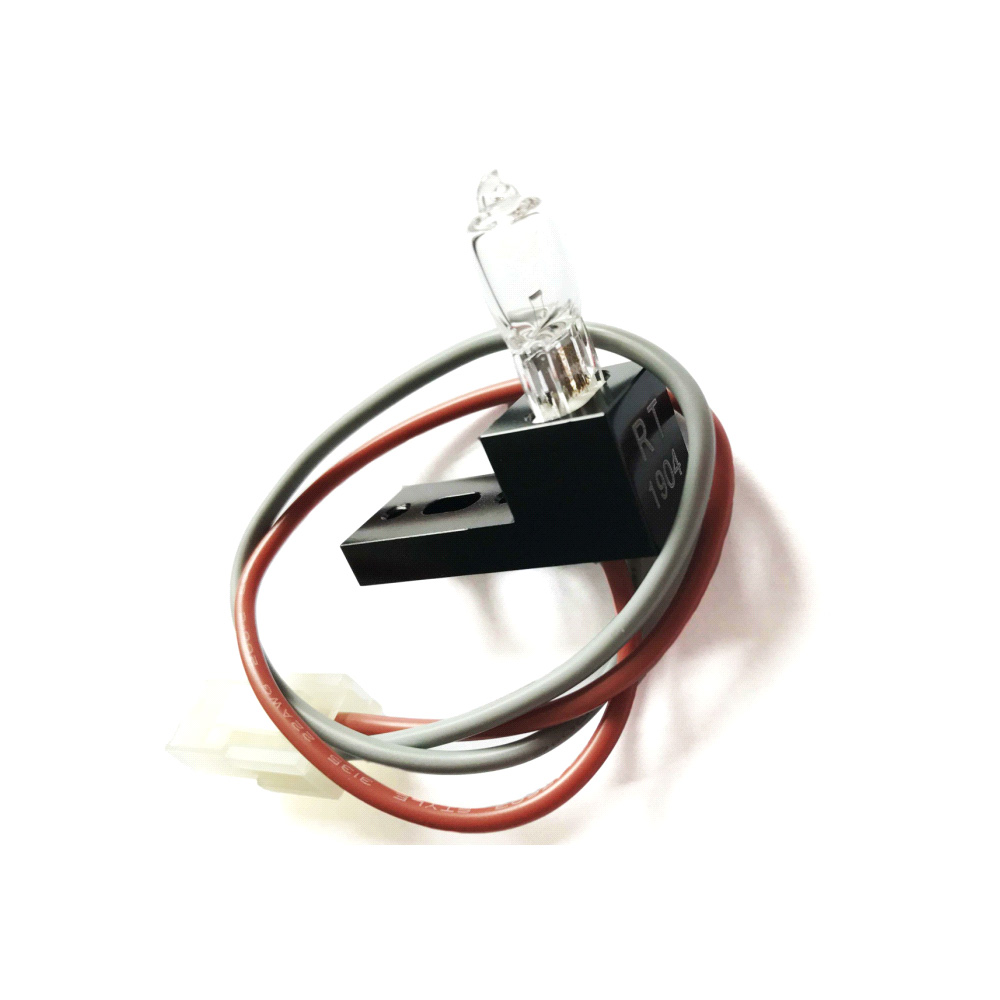
A biochemical analyzer depends on the lamp bulb, as a critical element, which directly reflects on the validity and soundness of test results. Knowing essential features and applying adequate maintenance procedures can lengthen its durability and provide the maximum guarantee of its effectiveness at clinical laboratories.
Key Characteristics of Analyzer Lamp Bulbs
The analyzer lamp bulbs are made up in such a way that they provide certain light characteristics and biochemical testing. A key aspect is their spectral range that normally operates between ultraviolet (UV) and visible light regions- a requirement that is necessary in order to identify multiple analytes such as proteins to nucleic acids. Our bulbs are designed to provide consistent intensity through these wavelengths to ensure that over time measurements of the absorbances do not change. The other major characteristic is durability; they are constructed using premium materials that are able to endure the rigors of constant use that busy laboratories require thus reducing the likelihood of them being replaced too often. As well, they allow these bulbs to be compatible with standard assay procedures making them easily usable to give trustworthy results as well as compatible with reagent chemistries.
Signs Your Lamp Bulb Needs Replacement
This early detection of the degradation of the bulbs can be used to avert errors in the test results. One of the most common types of signaling is that the intensity of light would start to decrease considerably and as a consequence, it might lead to settings that do not fall within normal limits or recalibration might be necessary after every few hours. Spectral shift is another indication of bad condition of the bulb as it does not produce normal wavelength readings and gives unequal performance when compared to other assays. Special readings on control samples also could see more variability due the failing bulb fighting to hold its output steady. Bulb runtime should be tracked, because most of them have a recommended lifetime, their operation beyond the recommended life may be a cause of potential malfunctions.
Best Practices for Lamp Bulb Maintenance
Bulbs can be maintained and utilized to the best effect. Second, installation should be done according to the guidelines provided by the manufacturer so that it will fit securely, this is because loose fitting will result in flickering or uneven illumination. It is also necessary to clean the housing where the bulb is placed and any optical filter screens on a regular basis whereby dust or other debris may block the light and affect intensity. To prevent such cases of unforeseen downtime, laboratories are supposed to implement a predetermined course of the bulb being replaced even though it is yet to serve as scheduled so as to prevent such expectancies. Also, keeping unused bulb on a cool and dry atmosphere keeps them intact before utilization. Lastly, having changed a bulb, it is pertinent to make some calibration checks as a way of establishing whether the new bulb is functioning in accordance to the level of analyzer performance.
In knowing the purpose of the bulb and performing these maintenance measures, laboratories will be able to maintain their analyzers in optimal functionality so that patient care is accurate and consistent in the results.