



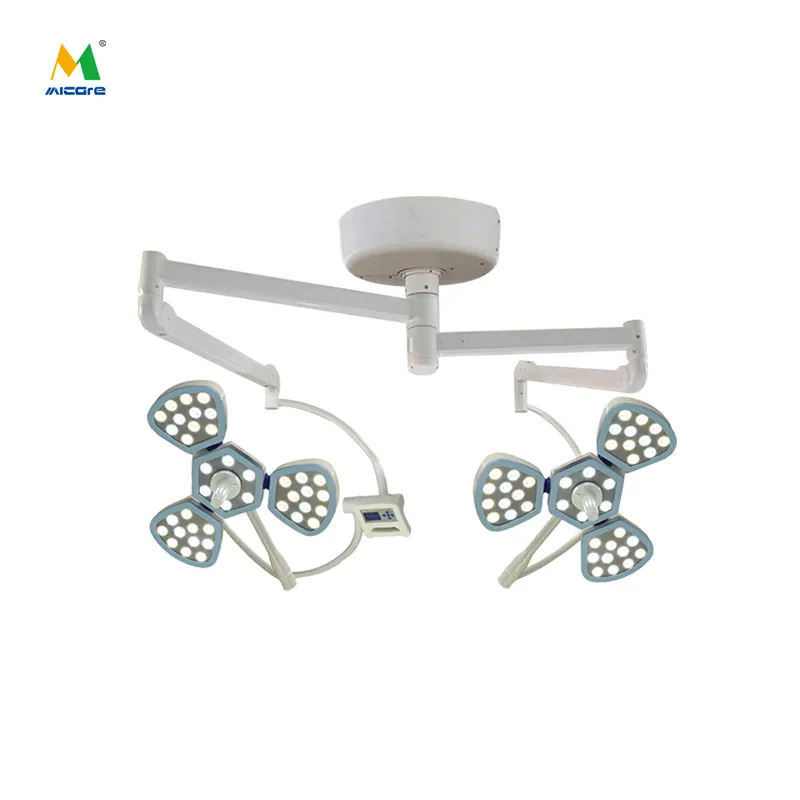
Gepatenteerde chirurgische verlichting biedt plafondlampen die de straalintensiteit regelen; hierdoor kunnen artsen het licht aanpassen aan de behoeften van de specifieke ingreep. Het maakt niet uit of het een delicate microchirurgie betreft die de juiste hoeveelheid lichtsterkte vereist, of een grootschalige operatie die een krachtige lichtbron nodig heeft; de mogelijkheid om dit aan te passen en over een bediening te beschikken is belangrijk. Wij bieden deze controle en vele geavanceerde technologieën in onze chirurgische lampen, zodat uw operatieverlichting altijd de beste zichtbaarheid garandeert, ongeacht de situatie.
Slimme dimsystemen
In de kern van de lichtintensiteitsregeling zit slimme regeltechnologie, de toekomst van onze intelligente dimtechnologie, die een aangename, vloeiende en fijnmazige intensiteitsregeling biedt met een breed variabel bereik tot 100.000 Lux, doorgaans bij 200.000 Lux. Het stelt chirurgen in staat het licht precies af te stellen op de mate die nodig is, zodat de operatieplek niet te donker (en daardoor detailarm) of te helder (waardoor weefsels worden blootgesteld aan verblinding of hyperemie) is. Het dimmelproces verloopt zeer soepel en zonder fluctuaties.
Sensorschakelaar Technologie
De operatiekamer draait om gemak en effectiviteit van zorg, vandaar dat er behoefte is aan een operatielamp met sensorschakelaar voor het regelen van het licht. Aanrakingsvrije bediening betekent dat artsen niet langer fysiek de lichtsterkte hoeven aan te passen, waardoor het risico op overdracht van besmettingen wordt geëlimineerd. De sensoren reageren op de zwakste bewegingen en passen direct de lichtintensiteit aan bij veranderingen tijdens de ingreep, bijvoorbeeld bij het onderzoeken van een diepe brandwond of vochtige weefselgebieden waar veel reflectie kan optreden.
LED-regulering en energie-efficiëntie
Het is deze aanpak om de nieuwste technologie op het gebied van LED's te gebruiken die cruciaal is voor het waarborgen van een constante lichtbundelintensiteit. Light Emitting Diodes (LED's) hebben ook het voordeel van energieregulering, in die zin dat het apparaat ondanks wisselende stroomtoevoer altijd constant vermogen kan leveren. De lichtbronnen binnen onze LED's zijn bovendien uitgerust met geavanceerde drivers die in staat zijn de intensiteit aan te passen en te handhaven, zodat het gekozen lichtniveau gedurende het gehele chirurgische proces behouden blijft, in tegenstelling tot bij traditionele lichtbronnen, die mettertijd iets kunnen vervagen. Deze efficiëntie vermindert ook de warmteontwikkeling, waardoor uitdroging van weefsels wordt voorkomen en het chirurgisch personeel zich comfortabel blijft voelen.
Vooraf ingestelde modi voor gespecialiseerde procedures
Verschillende chirurgische specialismen vereisen heel verschillende intensiteitsprofielen, vandaar dat onze lampen vooraf ingestelde modi hebben voor een endoscopische situatie, neurochirurgie of algemene chirurgie. Deze modi passen automatisch de bundelintensiteit aan tot maximaal niveau en helpen bij het besparen van tijd en het behouden van consistentie bij vergelijkbare procedures. Ter illustratie: de endoscopiemodus kan met verminderd vermogen werken, zodat de intensiteit de camerabeelden niet overbelast, terwijl de open-chirurgiemodus de helderheid maximaliseert om goed zicht te bieden op uitgebreide operatievelden.
Thermische Beheersystemen
Stabiele lichtopwekking wordt mogelijk gemaakt door efficiënte warmteafvoer, aangezien de prestaties van LED's afnemen bij oververhitting. Geavanceerde koelmechanismen houden de temperaturen binnen de grenzen waarbinnen de lampen optimaal functioneren, zodat de lichtintensiteit constant blijft gedurende lange chirurgische ingrepen; knipperen en kleurverandering komen niet voor.
Kortom, onze chirurgische verlichtingssystemen hebben een intensiteitsregeling van de lichtbundel die een slimme combinatie is van technologie en mensgerichte design, samen met hoge kwaliteitsnormen. Al deze verlichtingsoplossingen zijn gericht op het reguleren van LED-systemen om te voldoen aan de eisen van slimme bediening en het optimale evenwicht te bereiken tussen verlichtingssterkte en oogcomfort, wat uiteindelijk leidt tot een betere kwaliteit van het chirurgische proces en dus veiligere relaties tussen chirurgen en patiënten.